Entering into Film
I invite you to learn how I went from art student to auteur. In filmmaking one always feels like a student, as there is always something new to learn and discover. I particularly like the quote of Steven Spielberg: “Even though I get older, what I do never gets old, and that’s what I think keeps me hungry.” I am still hungry to learn even as I master my craft. This project allows me to stretch and learn more.
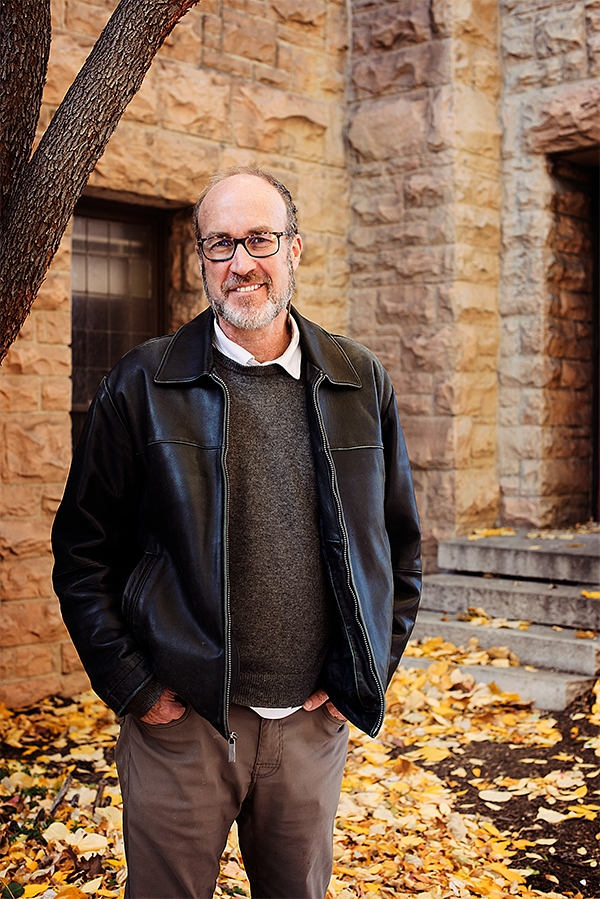
In 1982, the impact of creating moving images as an art form was not apparent to me as a Fine Arts student at the University of Colorado, Boulder, where I studied painting in oils and printmaking from 1982 to 1984. Like many other young students, I was experimenting with finding my own voice through writing poetry. Film was something made by Hollywood. Koyaanisqatsi (1982) was an exception and greatly influenced me as a young filmmaker.
In the beginning, shooting on film was very expensive — considering the costs for film, development, and prints — and home video was not yet affordable in the consumer market. Yet I knew that I wanted to transform my poetic storytelling into cinematic exchange with my painting and print work. The medium of film was just too powerful to ignore. All those elements would rapidly come together over the next 20 years in the digital revolution. Through film I was able to see how the audio and visual could be combined into a more powerful experience for the observer.
My first opportunity to experiment in filmmaking came when I transferred to The Colorado College in Colorado Springs in 1984 for my final two years of college, where I completed a Bachelor of Arts in English in 1986. It was in this higher academic environment that I could finally engage with my vision properly. A small financial grant allowed me to create what I had been envisioning: a 16mm film based upon a poem I had written.
Stan Brakhage
My academic advisor for this adventure into film was Stan Brakhage[1], well-known in the film art world through his work in 20th-century experimental film. Brakhage’s unique style influenced Martin Scorsese’s The Last Temptation of Christ, which uses Brakhage’s painted film style to depict the death of Jesus on the cross. I would consider Brakhage the father of poetic cinema.
The first 16mm film I made was 9 minutes long, in black and white, and titled Public Fixture (1985). Making this film was a very hands-on experience — cutting actual film, much like putting paint on a canvas. This poetic film would become my calling card when I went to Hollywood seeking work as a filmmaker two years later.
My first job was as a production assistant for Roger Corman, who had mentored and given a start to many young film directors — among them Francis Ford Coppola, Ron Howard, Martin Scorsese, Peter Bogdanovich, and James Cameron. I spent nearly a decade in Hollywood and interactive entertainment as a producer and director, working with a variety of companies across film and the emerging CD-ROM market.
Over the years I have developed my own craft as a digital video editor. I started with Adobe Premiere 2.0 in the mid-1990s and have continued with Adobe Premiere Pro since 2003. I edit all of my own projects on the latest software and utilize the best computer hardware.
Film as Composition
Looking at my own work today as an editor and director, I often think of myself as a composer working with moving images instead of music. I can describe what I would like the final composition to “sound” like, but the final product will only be truly represented on the screen. It is necessary for me to explore the details of a “musical phrase” through the editing process. Some questions that arise during editing include: what are the beats, pulses, or tempo of the storyline? What is propelling the story at that section? How quickly should the story be told during that chapter? How much breath or pause is required before beginning something more?
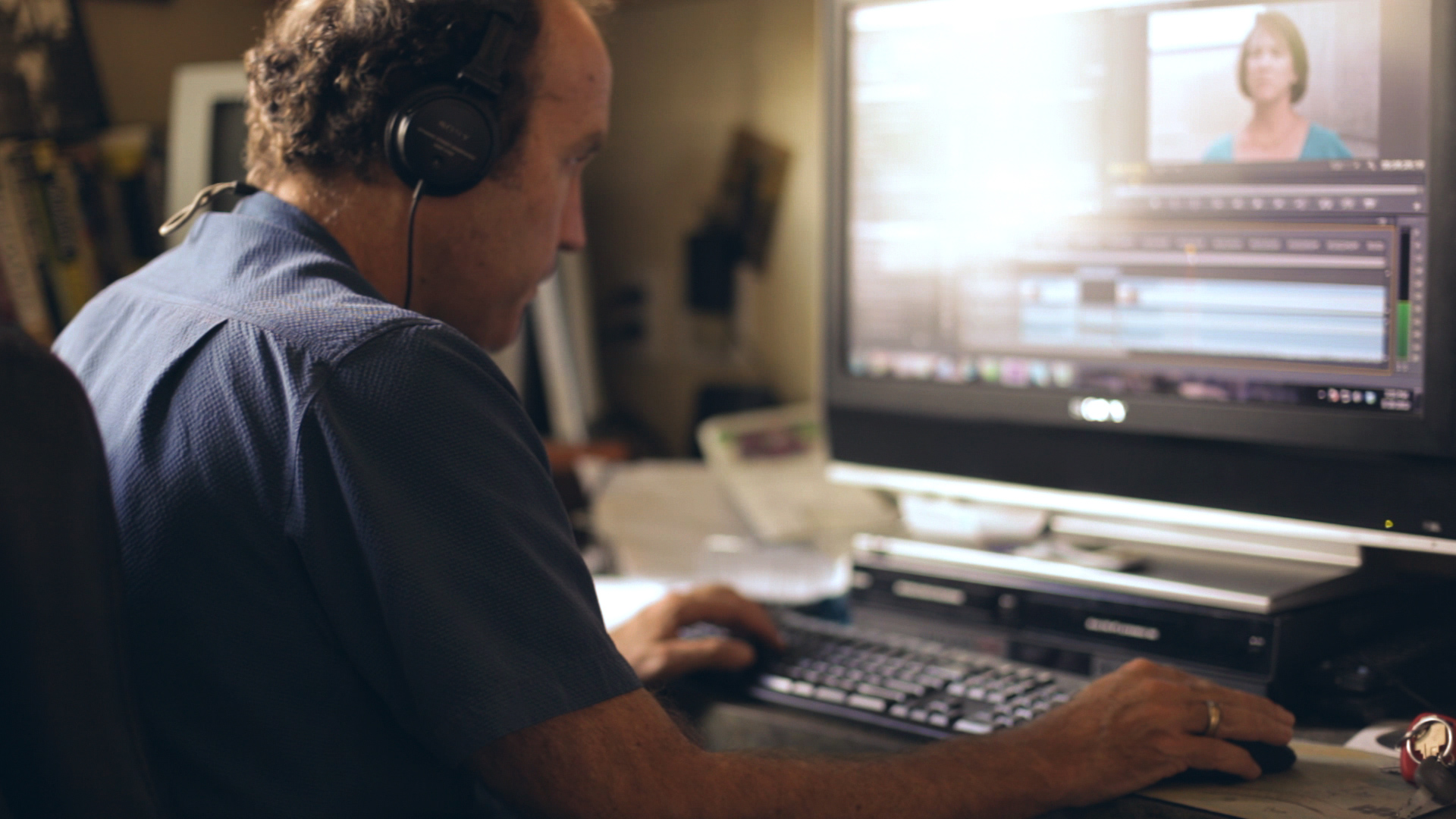
These are intuitive editorial decisions that must be examined many times before the film can be considered finished. The end result of the video editor’s timeline might look like the rise and fall of notes in a musical composition — some sections fast-paced, others slower and more nuanced. As I both film and edit, it is always my intention to “film for the edit” as much as possible, but one is never exactly certain what the final composition will be like until the editing occurs.
For the audience, these moving images are part of a poetic composition — a cinematic experience that is both painting and poem, coming to life during the time that an audience has together in a darkened cinema. In that space, light and sound transport them into another time and place, another reality.
I see this as a sacred space and continue to have reverence for the artistry and craft required in filmmaking to transport the audience into that reality and hold their attention. It is as if being inside a living painting — an experience I will never grow tired of creating.
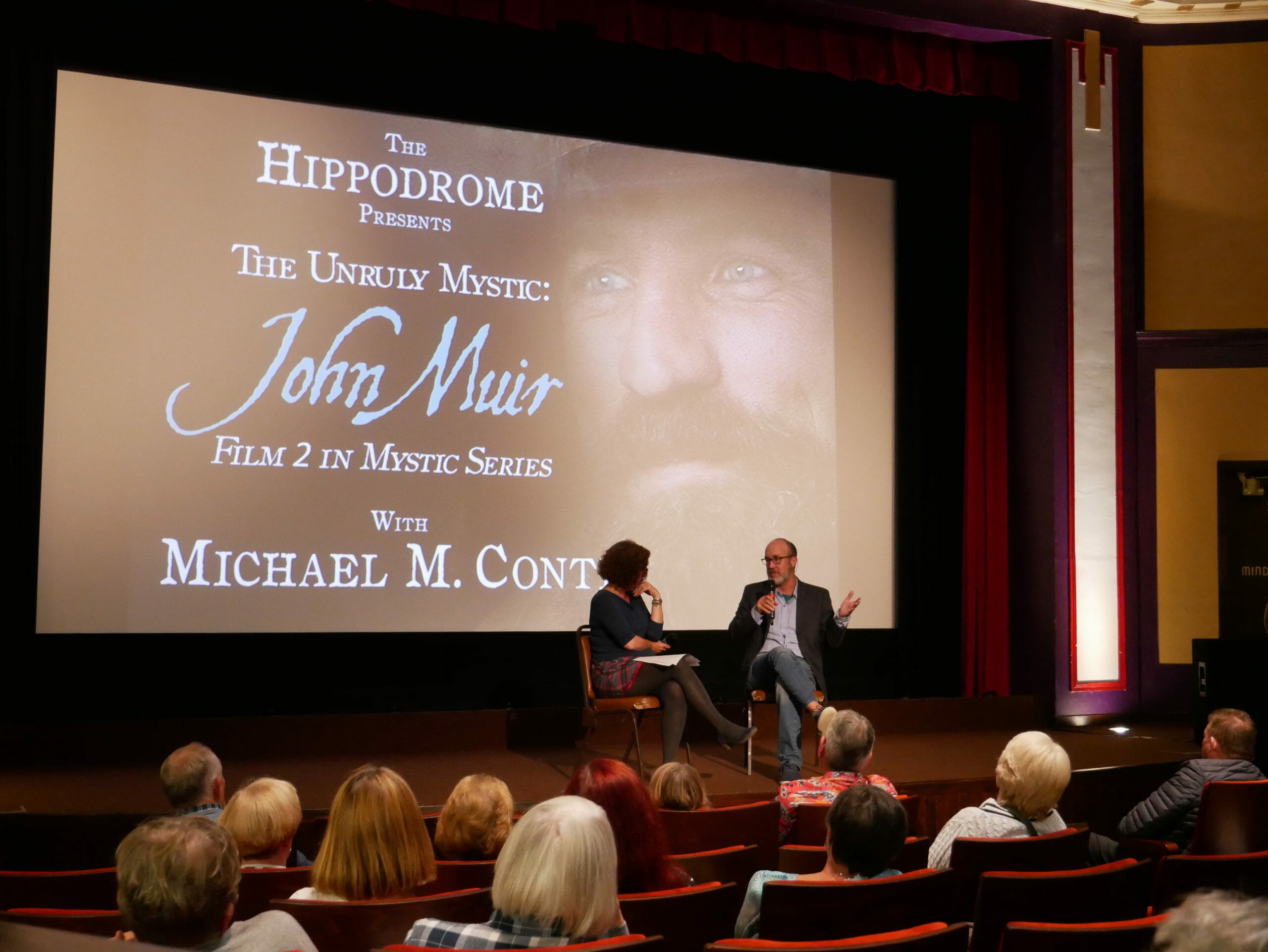
— Michael M. Conti
[1] Stan Brakhage, Wikipedia (2022)